Common Mistakes Homeowners Make With DIY Hardwood Floor Installation
Homeowners seeking to avoid common mistakes with DIY hardwood floor installation can benefit from local contractors who specialize in professional, expert flooring services.
Homeowners considering a DIY hardwood floor installation often encounter pitfalls that can impact the final look and durability of their floors. If you're exploring this project, you're in the right place to learn about common mistakes that might seem minor but can lead to significant issues down the line. Understanding these pitfalls is especially practical for property owners in the area who want to ensure their investment stands the test of time. Whether it's improper subfloor preparation or choosing the wrong type of hardwood, knowing what to watch out for can save time, money, and frustration.
Many property owners turn to local contractors for professional hardwood floor installation to avoid these common errors. Skilled service providers bring experience and expertise that help ensure the job is done correctly the first time. If you're weighing the DIY approach, keeping these typical mistakes in mind can highlight the value of working with local professionals who can deliver a polished, long-lasting result. Keep reading to discover the key points that can make or break a hardwood flooring project.
- Hardwood floor installation - homeowners may need this service when attempting to install flooring without proper preparation, which local contractors can help ensure is done correctly.
- Hardwood floor installation - if uneven subfloors cause issues, local service providers can assess and address these foundational problems before installation begins.
- Hardwood floor installation - when moisture levels are ignored, leading to warping or gaps, local pros can evaluate and manage environmental conditions for a stable installation.
- Hardwood floor installation - improper acclimation of wood can cause expansion or contraction, a mistake local contractors are experienced in preventing through proper procedures.
- Hardwood floor installation - mistakes with nail or staple placement can compromise durability, but local service providers have the expertise to handle fastening correctly.
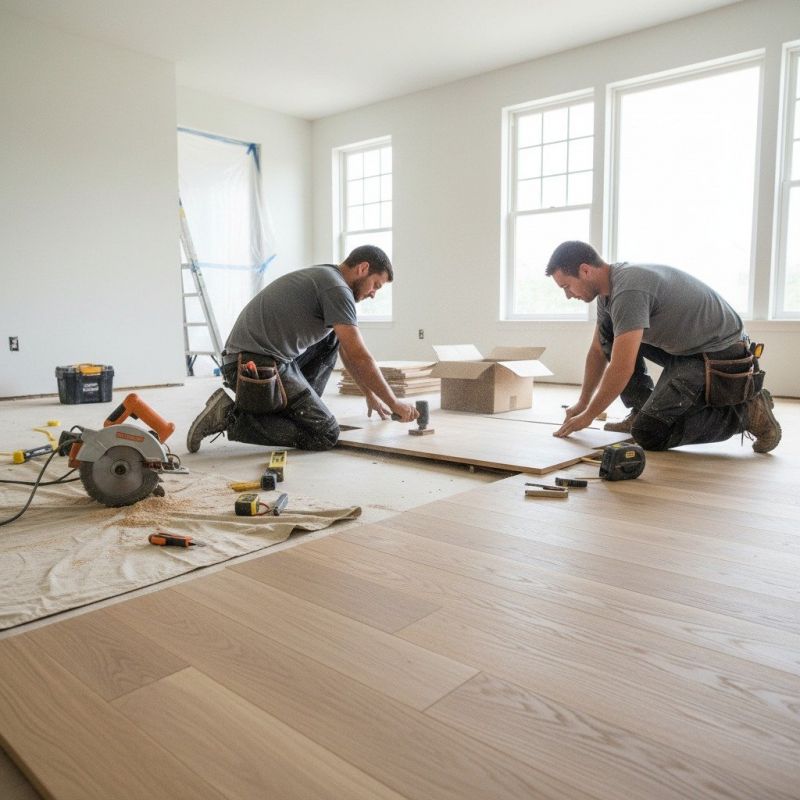
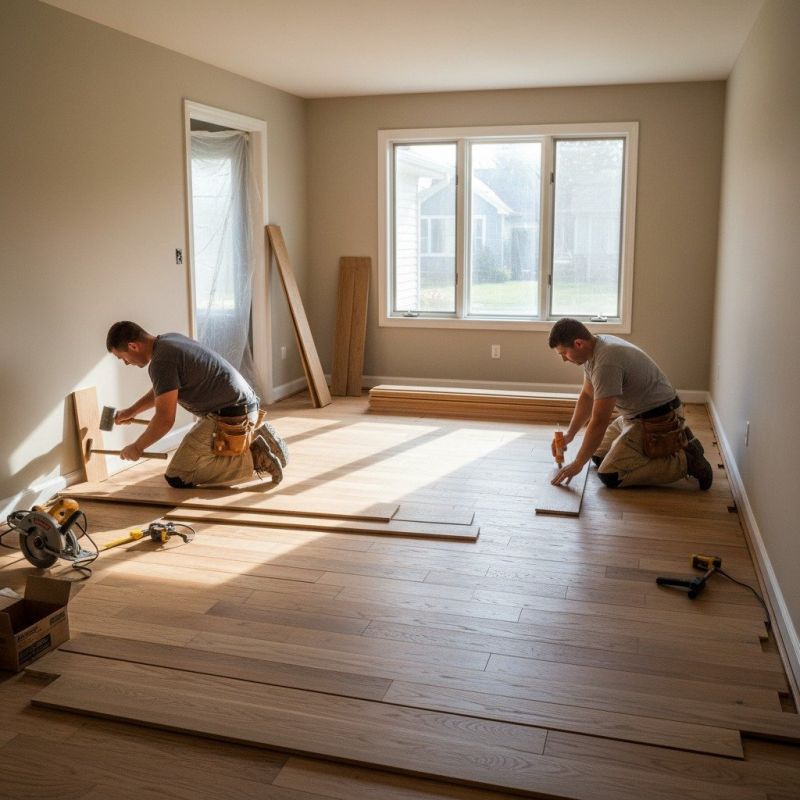

When homeowners search for information about common mistakes with DIY hardwood floor installation, they often mean to understand the pitfalls that can occur when attempting to handle this project without professional help. These mistakes typically relate to planning, preparation, and execution, and can significantly impact the final look and durability of the flooring. Many property owners are considering hardwood flooring to upgrade living spaces, whether in a single-family home, condo, or townhouse, and want to avoid costly errors that could compromise their investment. Recognizing these common issues helps homeowners make informed decisions about whether to proceed with a DIY approach or to seek assistance from local contractors experienced in hardwood installation.
A frequent concern among homeowners undertaking DIY hardwood floor projects involves improper subfloor preparation. This step is critical because any unevenness, moisture issues, or debris beneath the surface can cause the finished floor to warp, creak, or develop gaps over time. Inexperienced installers often overlook the importance of a clean, level, and dry subfloor, leading to problems that are difficult to fix later. Additionally, many property owners underestimate the importance of acclimating the hardwood planks to the home's environment before installation, which can result in expansion or contraction issues. Local service providers specializing in hardwood flooring can assist with proper subfloor assessment and preparation, ensuring the installation process proceeds smoothly and the finished product remains stable.
Another common mistake involves incorrect installation techniques, such as improper nailing, not leaving enough expansion gaps, or failing to stagger planks correctly. These errors often stem from a lack of experience or understanding of the best practices for hardwood flooring installation. For example, failing to leave adequate space around walls can cause the floor to buckle as it naturally expands, leading to costly repairs. Likewise, improper alignment or inadequate fastening can result in squeaks and loose boards over time. Homeowners attempting these steps on their own may find it challenging to achieve a professional finish, which is why engaging local contractors with expertise in hardwood installation can help ensure the job is done right the first time.
Finally, finishing and sealing mistakes can diminish the appearance and longevity of a hardwood floor. DIY projects sometimes skip essential steps like applying multiple coats of finish evenly or allowing proper drying time, which can leave the surface vulnerable to scratches, stains, and wear. Additionally, homeowners may choose finishes that are unsuitable for their specific environment or traffic levels, leading to premature deterioration. To avoid these issues, many property owners turn to local flooring professionals who understand the nuances of proper finishing techniques and can recommend the best products for their needs. This guidance helps ensure the hardwood floor not only looks great but also withstands daily use over the years.
Subfloor Preparation - proper subfloor assessment and preparation are essential skills shared with hardwood floor installation, and local contractors can ensure a stable base for durable flooring.
Measuring and Layout Planning - accurate measurements and layout planning are crucial in both projects to prevent mistakes and ensure a professional finish, which local service providers can expertly handle.
Tool Handling and Safety - using power tools safely and effectively is common to both, and experienced local contractors can manage the equipment needed for smooth installation.
Material Selection and Handling - choosing the right flooring materials and handling them properly is a skill that directly impacts project success, with local pros guiding homeowners through the process.
Transition and Threshold Installation - installing transitions and thresholds correctly requires attention to detail, a task that local service providers are well-equipped to perform.
Surface Finishing Techniques - finishing techniques like sanding and sealing are shared skills, and local contractors can achieve a polished look while avoiding common DIY mistakes.
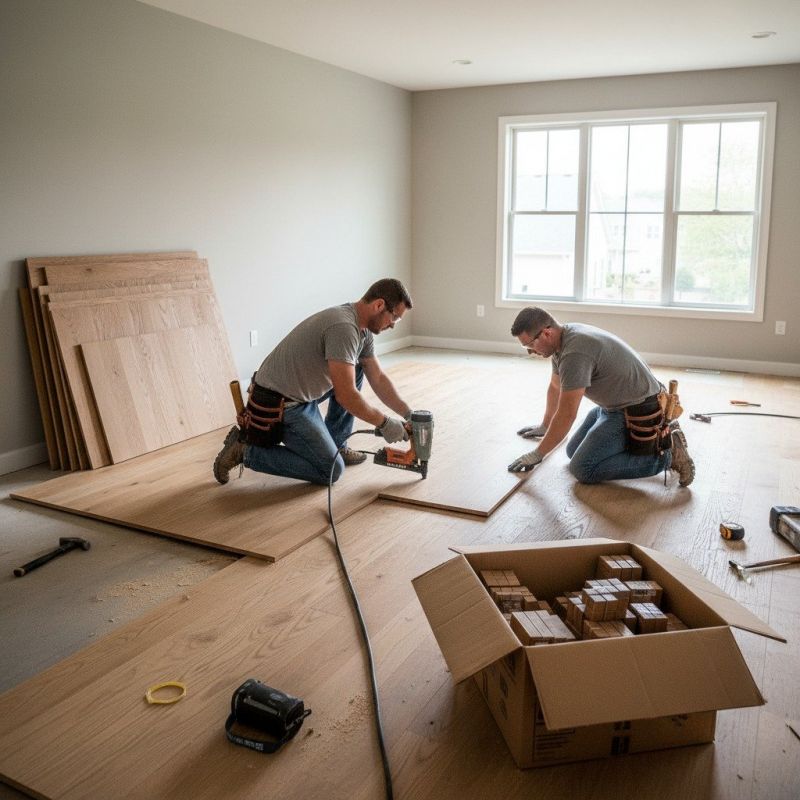
When comparing service providers for hardwood floor installation, it’s important for homeowners to consider the experience of local contractors with similar projects. An experienced professional will have a history of working on hardwood flooring, which can help ensure that they understand the nuances of proper installation techniques and common challenges. Homeowners should inquire about the types of flooring projects a contractor has completed and seek out those with a proven track record of successful installations. This background can reduce the likelihood of mistakes that often occur during DIY efforts, such as improper acclimation of the wood or incorrect subfloor preparation.
Clear written expectations are essential when evaluating local contractors for hardwood floor installation. Homeowners should seek detailed estimates and scope of work that outline each step of the project, including preparation, installation methods, and finishing. Having this information in writing helps prevent misunderstandings and ensures that both parties are aligned on the project’s deliverables. It also provides a reference point should questions or issues arise during the process. Service providers who can articulate their approach clearly are often more reliable and transparent, which can help avoid common mistakes that stem from miscommunication or vague expectations.
Reputable references and good communication are key factors in selecting a quality contractor. Homeowners are encouraged to ask for references from past clients who had similar flooring projects completed. Speaking with previous customers can provide insights into the contractor’s professionalism, attention to detail, and ability to handle unexpected issues. Additionally, effective communication throughout the project is vital; service providers who are responsive and willing to answer questions can help clarify procedures and prevent errors that might occur due to misunderstandings. Prioritizing contractors with strong references and open communication can lead to a smoother installation process and better results, reducing the risk of common mistakes associated with DIY hardwood floor installation.
Property owners often search for common mistakes homeowners make with DIY hardwood floor installation when they are planning practical projects around their homes and businesses. Local pros provide Hardwood Floor Installation services for everyday jobs and straightforward project options.
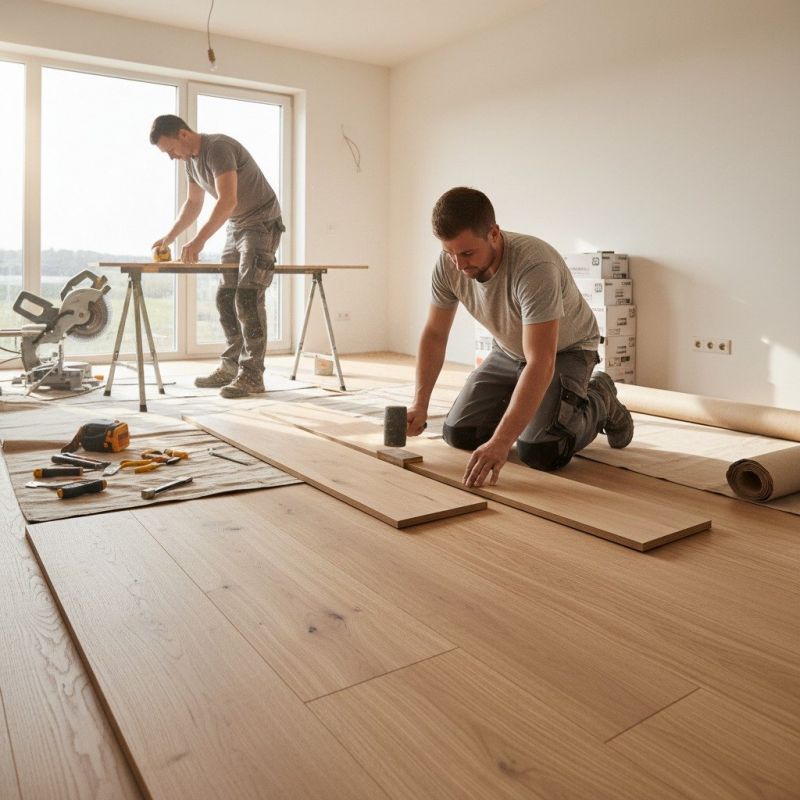
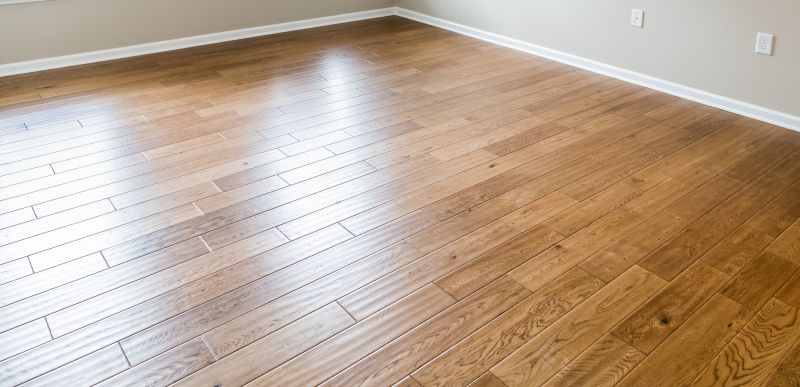
Homeowners attempting DIY hardwood floor installation often encounter common mistakes that can impact the final look and durability of their floors. One frequent issue is improper subfloor preparation, which can lead to uneven surfaces or future squeaking and shifting. Many property owners might overlook the importance of ensuring the subfloor is clean, dry, and level before laying down the new flooring, resulting in problems that are costly and time-consuming to fix later. Additionally, incorrect acclimation of hardwood planks-failing to allow the wood to adjust to the home's humidity and temperature-can cause expansion or contraction after installation, leading to gaps or buckling over time.
Given these challenges, it’s understandable why property owners in the area often consider enlisting the expertise of local contractors for hardwood floor installation. Professional service providers bring experience in proper surface preparation, precise installation techniques, and the necessary tools to ensure a smooth, long-lasting result. Working with local pros can help avoid the typical pitfalls associated with DIY projects, providing peace of mind that the flooring will be installed correctly and look great for years to come.
What is a common mistake homeowners make with DIY hardwood floor installation? Many homeowners overlook proper subfloor preparation, which can lead to uneven flooring and gaps. Hiring local contractors ensures the subfloor is correctly prepared for a smooth, durable finish.
Why is it important to choose the right type of hardwood for installation? Selecting an inappropriate hardwood type can cause issues like warping or excessive expansion. Local service providers can help recommend suitable options based on the home's environment and usage.
How can improper acclimation affect DIY hardwood floor installation? Failing to acclimate the wood to the indoor environment may result in expansion or contraction after installation. Professional contractors typically handle acclimation to prevent these problems.
What mistake do homeowners often make when installing hardwood flooring themselves? Many attempt to install without using proper tools or techniques, leading to gaps or misaligned planks. Experienced local pros have the necessary tools and expertise to ensure precise installation.
How does neglecting expansion gaps impact hardwood flooring? Ignoring expansion gaps can cause the floor to buckle or warp over time. Service providers know how to correctly leave and handle these gaps for long-lasting results.
Skipping subfloor preparation - ensuring the subfloor is properly cleaned and leveled helps prevent uneven surfaces that can cause future damage, and local contractors can handle this step effectively.
Ignoring humidity and moisture levels - maintaining appropriate humidity prevents wood from expanding or contracting after installation, and experienced service providers can assess and control these conditions.
Using incorrect installation methods - applying the right techniques for your specific hardwood type reduces the risk of gaps or buckling, with local pros providing expert guidance on proper procedures.
Neglecting expansion gaps - leaving adequate space around the edges allows for natural wood movement, and professional installers can ensure these gaps are correctly incorporated during the project.
If you are thinking about common mistakes homeowners make with DIY hardwood floor installation for a property, this guide is meant to help you understand this topic, the typical project types, and how different options might fit your plans.
When you are ready, you can use the quote form on this page to share a few details about your project. From there, local pros can review the basics and follow up with options that match what you have in mind.